
The Impact of Nursing Shortage 2026 on Patient Outcomes
The Nursing Shortage 2026 is becoming one of the most critical challenges facing the U.S. healthcare system. Hospitals, clinics, and long-term care facilities are struggling to maintain safe and effective care delivery due to declining nurse availability and increasing patient demand.
As the registered nurse shortage continues to grow, healthcare organizations are witnessing rising workloads, staffing gaps, and increased pressure on existing clinical teams. Ultimately, this shortage is not just a workforce issue, it is directly affecting patient outcomes, safety, and hospital performance across the United States.
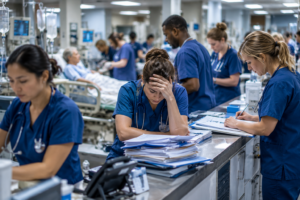
Why the Nursing Shortage 2026 Is Happening in the USA
The registered nurse shortage is driven by several interconnected factors:
- Aging nursing workforce and mass retirements
- Increased demand for healthcare services
- High levels of nurse burnout
- Insufficient nursing school capacity
- Post-pandemic workforce exit trends
These challenges have created a severe healthcare staffing shortage USA-wide, forcing hospitals to compete aggressively for qualified talent.
Nursing Shortage 2026 Impact on Healthcare Systems
The nursing shortage impact on healthcare is significant and measurable. When hospitals operate understaffed, it creates a chain reaction that affects every level of care delivery.
Key impacts include:
- Increased nurse-to-patient ratios beyond safe limits
- Delays in patient care and treatment
- Higher medical error rates
- Reduced patient monitoring quality
- Increased hospital readmissions
A poor nurse-to-patient ratio has been directly linked to lower patient satisfaction and worse clinical outcomes.
How Nursing Shortages Affect Patient Safety and Care Quality
One of the most serious concerns is how nursing shortages affect patient safety and care quality. When nurses are overloaded, the quality of care naturally declines.
Effects include:
- Missed medications or delayed administration
- Reduced patient observation and follow-ups
- Communication breakdowns in care teams
- Increased risk of infections and complications
Hospitals experiencing a hospital staffing crisis often report higher rates of preventable incidents, directly impacting patient recovery.
Relationship Between Staffing Levels and Mortality Rates
Research consistently shows a strong relationship between nurse staffing levels and patient mortality rates. When nurse workloads increase beyond safe limits, patient outcomes worsen.
Lower staffing levels often lead to:
- Increased mortality rates in critical care units
- Longer patient recovery times
- Higher ICU admissions
- Reduced preventive care measures
This demonstrates that staffing is not just operational—it is a life-saving factor.
Effects of Nurse Burnout on Hospital Performance
The effects of nurse burnout on hospital performance and outcomes cannot be ignored. Burnout leads to emotional exhaustion, reduced focus, and increased turnover.
Common consequences:
- Higher resignation rates among nurses
- Reduced patient engagement
- Declining job satisfaction
- Increased recruitment and training costs
Burnout further deepens the hospital staffing crisis, creating a continuous cycle of shortages.
How Hospitals Can Address the Nursing Shortage 2026
Healthcare organizations must take proactive steps to manage the Nursing Shortage 2026 effectively.
Strategic solutions include:
- Partnering with a trusted healthcare staffing partner
- Offering competitive pay and retention benefits
- Improving nurse-to-patient ratios
- Investing in workforce wellbeing programs
- Expanding travel nurse and contract staffing options
Working with a reliable partner like Springfield Staffing can help hospitals quickly fill critical gaps with qualified professionals.
You can also explore solutions through
Springfield Staffing such as:
- Healthcare staffing support
- Rapid nurse placement
- Contract and travel nursing solutions
Internal solutions like healthcare staffing agency, hire nurses, and medical staffing solutions play a key role in stabilizing workforce shortages.
The Future of Healthcare Staffing in the USA
The future of healthcare depends heavily on solving the healthcare staffing shortage USA is currently facing. Without immediate intervention, patient care quality and hospital efficiency will continue to decline.
However, with strategic workforce planning, hospitals can:
- Improve patient outcomes
- Reduce nurse burnout
- Strengthen care delivery systems
- Build long-term staffing stability
FAQs
1. What is the Nursing Shortage 2026?
The Nursing Shortage 2026 refers to the growing gap between available registered nurses and increasing patient demand in U.S. healthcare systems.
2. How does nursing shortage impact patient outcomes?
It leads to higher nurse workloads, increased errors, delayed care, and reduced patient safety.
3. Why are hospitals facing a staffing crisis?
Due to retirements, burnout, rising demand, and limited new nurse workforce entry.
4. How does nurse-to-patient ratio affect care quality?
Higher ratios reduce care quality and increase risks of complications and mortality.
5. Can staffing agencies help solve nursing shortages?
Yes, healthcare staffing partners help hospitals quickly fill critical roles and stabilize workforce gaps.
The Nursing Shortage 2026 is significantly affecting patient outcomes in the USA by increasing nurse workloads, reducing care quality, and raising medical risks. Hospitals facing staffing shortages experience higher burnout rates, delayed treatments, and increased mortality risks, making workforce planning critical for patient safety and healthcare efficiency.
CTA
The Nursing Shortage 2026 is already reshaping healthcare delivery across the United States. Hospitals cannot afford delays in addressing staffing gaps.
Partner with Springfield Staffing today or visit Springfield Staffing to access qualified nurses, reduce staffing pressure, and improve patient outcomes immediately.
Strengthen your workforce. Protect your patients. Build a resilient healthcare system today.