
Predictive Analytics Healthcare Staffing: Anticipating Seasonal Surges
In today’s fast-evolving healthcare environment, Predictive Analytics Healthcare Staffing has become a game-changer for hospitals and healthcare organizations across the USA. With rising patient volumes during flu season, holiday surges, and unexpected public health events, staffing demands can fluctuate dramatically.
This is where data-driven forecasting transforms workforce management. By leveraging historical data, real-time trends, and AI-driven insights, healthcare leaders can proactively prepare for staffing needs instead of reacting to shortages.
Organizations like Springfield Staffing are increasingly focusing on analytics-powered recruitment strategies to help healthcare facilities stay ahead of demand spikes and maintain quality patient care.
What is Predictive Analytics Healthcare Staffing?
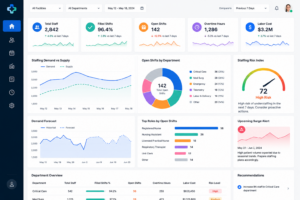
Predictive Analytics Healthcare Staffing refers to the use of data models, machine learning, and statistical techniques to forecast future workforce needs in hospitals and clinical settings.
Instead of relying on manual scheduling or past assumptions, healthcare organizations use predictive systems to:
- Analyze patient admission trends
- Identify seasonal patterns
- Forecast nurse-to-patient ratios
- Anticipate staffing shortages
- Optimize shift allocations
This makes Healthcare Staffing Analytics a crucial tool in modern workforce planning.
Why Seasonal Surges Impact Healthcare Staffing
Hospitals in the USA experience predictable and unpredictable surges throughout the year. Common examples include:
- Flu season (winter months)
- Summer injuries and accidents
- Holiday staffing shortages
- Epidemic or pandemic outbreaks
- Local demographic health spikes
Without proper forecasting, hospitals often face:
- Overworked staff
- Increased burnout
- Reduced patient care quality
- Higher overtime costs
By applying Healthcare Staffing Forecasting, organizations can mitigate these risks effectively.
How Predictive Analytics Improves Workforce Planning in Healthcare
Workforce Planning in Healthcare becomes significantly more efficient with predictive analytics. Here’s how it works:
1. Data-Driven Demand Forecasting
Hospitals analyze years of patient data to predict future admission trends and staffing requirements.
2. Smarter Nurse Staffing Optimization
With Nurse Staffing Optimization, hospitals can ensure the right number of nurses are scheduled for each shift, reducing burnout and improving care quality.
3. Real-Time Staffing Adjustments
AI tools help adjust staffing levels dynamically based on emergency admissions or sudden spikes.
4. Reduced Recruitment Delays
Using Healthcare Staffing Analytics, HR teams can proactively hire or onboard staff before shortages occur.
How Hospitals Forecast Nurse Staffing Shortages
Hospitals use predictive models that combine:
- Historical admission rates
- Seasonal illness trends
- Local population health data
- Staff turnover rates
- Emergency department usage
These inputs allow systems to identify when and where shortages may occur.
For example, hospitals may notice a 20–30% increase in ER visits during flu season. With predictive insights, they can prepare by hiring temporary staff or reallocating internal resources.
Benefits of Using Predictive Models for Healthcare Staffing Demand
The adoption of predictive analytics delivers measurable benefits:
- Improved patient care quality
- Lower operational costs
- Reduced staff burnout
- Better shift scheduling efficiency
- Faster response to emergencies
Most importantly, it helps hospitals move from reactive staffing to proactive planning.
Using Data Analytics for Healthcare Workforce Planning
Modern Healthcare Staffing Forecasting systems use AI and machine learning models to continuously improve accuracy.
Key technologies include:
- Predictive algorithms
- Cloud-based HR systems
- Workforce analytics dashboards
- AI-driven scheduling tools
These tools help decision-makers make faster, smarter staffing decisions.
The Role of Staffing Partners in Predictive Healthcare Planning
Staffing agencies play a critical role in bridging gaps during demand surges. A strategic partner like Springfield Staffing helps hospitals:
- Quickly deploy qualified healthcare professionals
- Maintain staffing flexibility during seasonal spikes
- Reduce hiring delays
- Improve workforce scalability
Hospitals can also integrate predictive insights with external hiring support to ensure continuous coverage.
Conclusion
Predictive Analytics Healthcare Staffing is revolutionizing how hospitals in the USA manage workforce demand. By forecasting seasonal surges, improving scheduling accuracy, and enabling proactive hiring, healthcare organizations can significantly enhance efficiency and patient outcomes.
As healthcare systems become more complex, predictive models are no longer optional—they are essential for sustainable workforce planning.
FAQs
1. What is Predictive Analytics Healthcare Staffing?
It is the use of data and AI models to forecast staffing needs based on patient demand, seasonal trends, and workforce patterns.
2. How does predictive analytics help hospitals?
It helps hospitals reduce staffing shortages, improve scheduling, and prepare for seasonal surges in patient volume.
3. What are seasonal healthcare staffing demands?
These are predictable increases in patient volume during flu season, holidays, and other recurring health events.
4. Can predictive analytics reduce nurse burnout?
Yes, by ensuring balanced shift distribution and avoiding understaffing situations.
5. What tools are used for healthcare staffing forecasting?
Hospitals use AI platforms, workforce analytics dashboards, and predictive scheduling systems.
Predictive Analytics Healthcare Staffing uses data-driven models to forecast hospital workforce needs. It helps healthcare organizations anticipate seasonal surges, optimize nurse scheduling, and reduce staffing shortages. By analyzing historical trends and real-time data, hospitals can improve efficiency, reduce burnout, and enhance patient care outcomes.
CTA
Hospitals and healthcare organizations must stay ahead of unpredictable staffing demands. With advanced Predictive Analytics Healthcare Staffing, you can ensure the right professionals are always available when patients need them most.
Partner with Springfield Staffing today to build a smarter, data-driven workforce strategy.
👉 Visit: Springfield Staffing to streamline your healthcare staffing needs and prepare for every seasonal surge with confidence.